Sewer Sludge Treatment Technology and Equipment: A Guide
Sewer sludge treatment explained: how plants screen, scrub, classify and dewater ditch sediment while recycling nearly all process water.
Sewer Sludge Treatment Technology and Equipment: A Guide
Anyone who has dug open a city drain knows the problem: years of grit, sand, organic matter and street runoff settle into a dense cake that fills pipes and blocks flow. Hauling that material to a landfill in raw form is wasteful and expensive, because most of the volume is simply sand and stone. This washing technology exists to split that mixture into something reusable and something small enough to dispose of properly. Desen Environmental has spent years building the kind of equipment that makes this split profitable rather than painful.
What Actually Sits in the Ditch
Sewer sludge, also called ditch sediment or pipe sludge, is rarely a uniform material. Fine silt and organic residue mix with coarse sand, gravel and occasional debris that washed in through manholes and surface inlets. The organic fraction is what gives the material its smell and its biological oxygen demand; the coarse fraction is what makes raw disposal such a waste. Because the two behave differently, a treatment line should separate them early. Once the sand is clean, it can come back as bedding or construction fill, and only the modest fine residue needs special handling. That is the whole point of sewer sludge treatment equipment.
How a Sludge Treatment Line Works
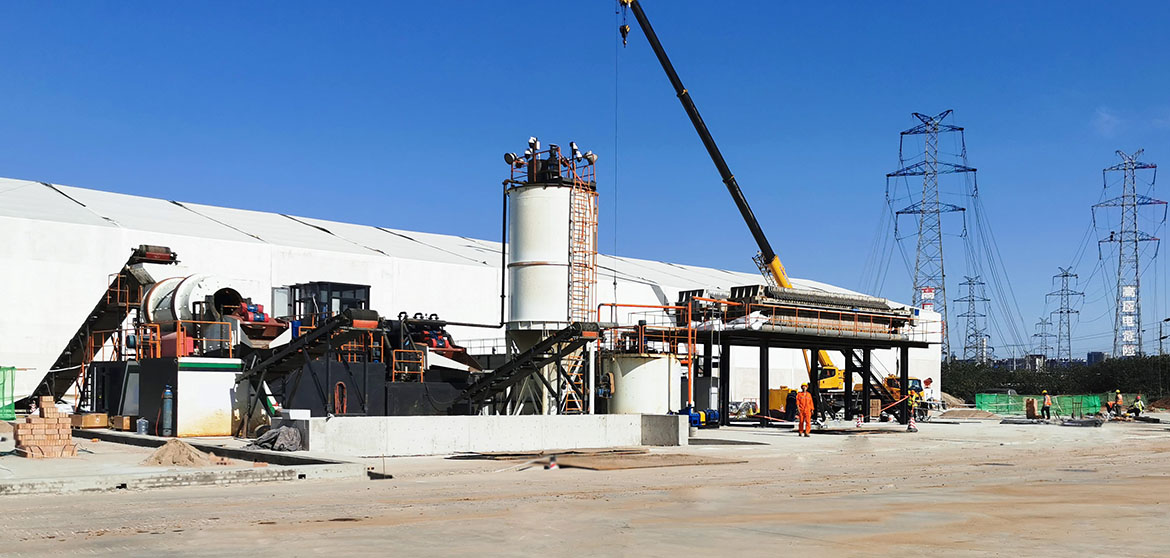
A practical sludge treatment train follows the same logic as mineral washing, and many plants borrow hardware from that world. The Desen approach runs the discharge through a sequence of physical steps.
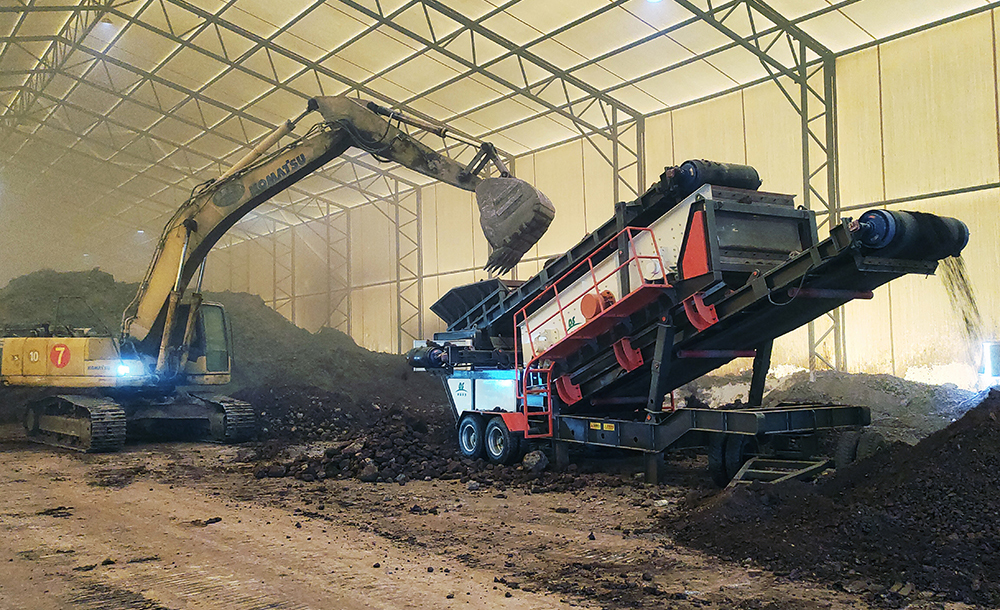
- Screening and lump breaking. Feed passes over a grizzly or vibrating screen that pulls out coarse rocks, rags and debris before they damage anything downstream.
- Attrition scrubbing. The screened material enters a scrubbing drum with water. High-friction contact works clay and organic films off the sand grains.
- Classification. Hydrocyclones and high-frequency screens split the flow. Coarse sand is dewatered and stockpiled as recoverable material, while fines continue as slurry.
- Thickening and dewatering. A deep-cone thickener settles the fine fraction; a plate-and-frame filter press squeezes it into a dry cake.
- Water treatment. Process water is flocculated, settled and recycled, so a modern plant discharges little beyond what it started with.
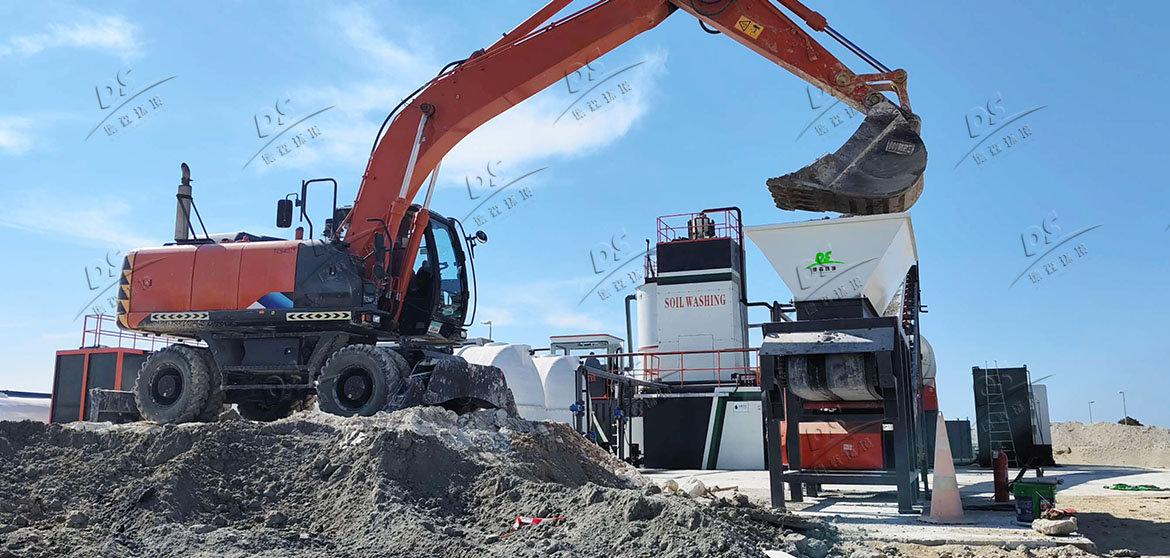
The equipment is compact enough to fit on a mobile platform or a modular skid, which keeps sludge handling practical for municipal crews that move from one access point to another every few weeks.
Why Washing Beats Straight Dewatering
A thickening filter simply presses the sludge and ships wet cake to landfill. It never answers the real question: is most of this volume just clean sand? A washing-based line answers it directly and reduces disposal mass dramatically. Where a raw dewatering approach might truck away near 100 percent of the volume, a washing plant recovers the sand fraction and cuts the hazardous or odorous residue to a fraction of the original. Less haulage, less landfill fee, less carbon, and a product that has market value. For municipal budgets under pressure, that arithmetic is hard to argue with.
Field Experience with Sewer Sludge Treatment Equipment
Desen's mobile classifying plants have handled slurry, mud and pipe sludge in both municipal and industrial settings. In projects covering pipe-cleaning campaigns, the mobile washing and classification unit was towed between access points, connected to a local water supply, and run until a stretch of drainage was cleared. The recovered sand was reused as backfill material, and the concentrated fines were taken to an approved disposal site. Because the plant recycled its process water, it operated without a sewer connection of its own. In practical terms, that autonomy is what lets cities clean their networks without setting up a new treatment facility for every district.
Sewer Sludge Treatment FAQ
Can sewer sludge treatment equipment handle rags and large debris? Debris is screened out at the front end before scrubbing, which protects the downstream pumps and screens.
Is the recovered sand clean enough to reuse? After scrubbing and classification, the coarse fraction is sampled and tested. Where it meets the local fill criteria, it is reused; otherwise it follows the disposal route.
Does a sludge washing plant need a permanent building? No. Desen supplies mobile and modular configurations that run on a pad and can be relocated when the project moves.
To size a sewer sludge treatment line for your drainage network, talk to the Zhengzhou Desen Environmental (郑州德森环境) engineers at materialwashing.com. They can walk you through the mass balance before you commit to any hardware.