Soil Washing Process Explained: How Desen Environment Treats Heavy Metal and Hydrocarbon Contaminated Sites Step by Step
Soil Washing Process: A Practical Guide to Desen Environment's Remediation MethodContaminated land rarely fixes itself. When a site carries lead, cadmium, or petroleum hydrocarbons, regulators expect a clear, measurable cleanup plan. The soil washing process has become one of the most reliable way
Soil Washing Process: A Practical Guide to Desen Environment's Remediation Method
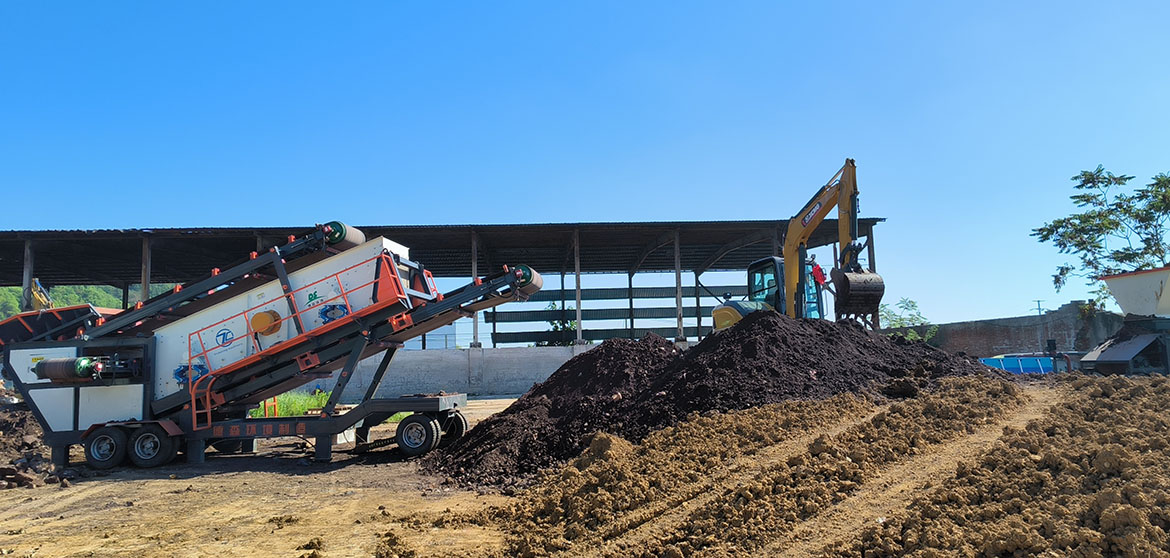
Contaminated land rarely fixes itself. When a site carries lead, cadmium, or petroleum hydrocarbons, regulators expect a clear, measurable cleanup plan. The soil washing process has become one of the most reliable ways to pull those pollutants out instead of simply locking them underground. Desen Environment (郑州德森环境) has run this method on dozens of Chinese sites, and the field results are worth a close look.
How the Soil Washing Process Works: Technical Background
The soil washing process rests on a simple fact: contaminants bind to certain soil fractions far more than others. Fines, clays, and silt hold most of the heavy metals and oily residues, while coarse sand and gravel stay relatively clean. A washing line breaks the bond between pollutant and particle using water, sometimes with a gentle additive, then separates the dirty fraction from the clean one. A well-run soil washing process is physical separation first and chemistry second.
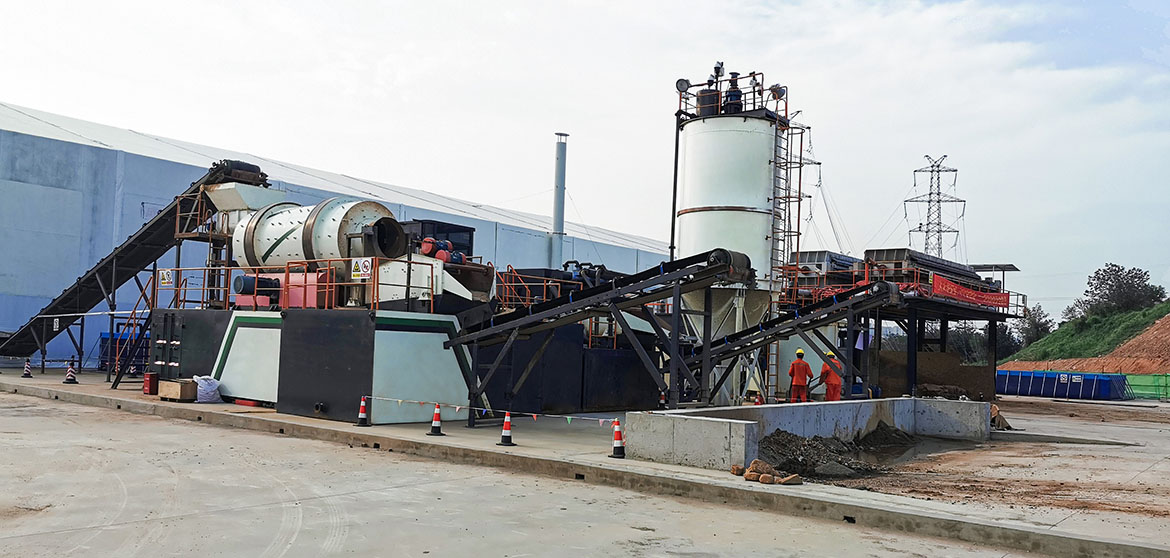
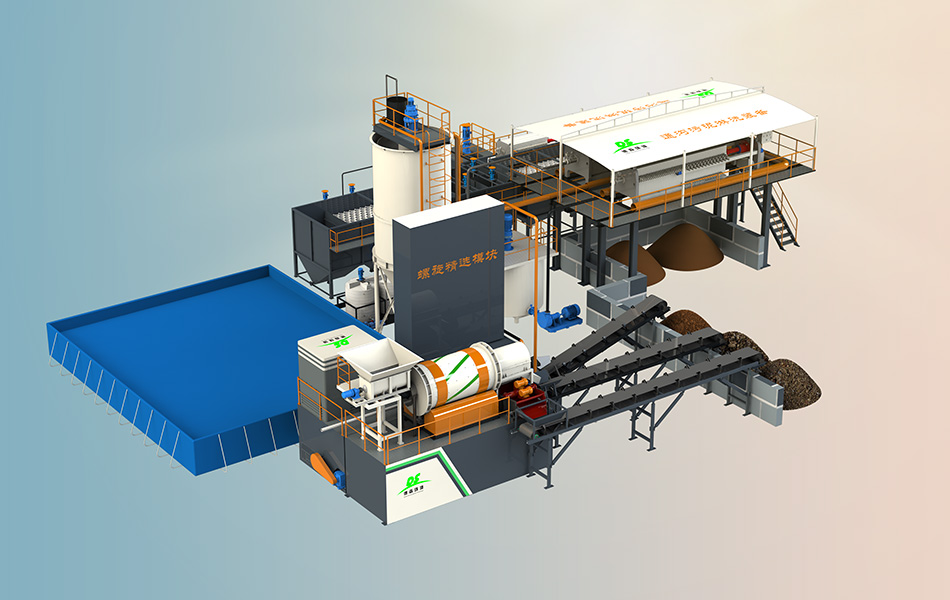
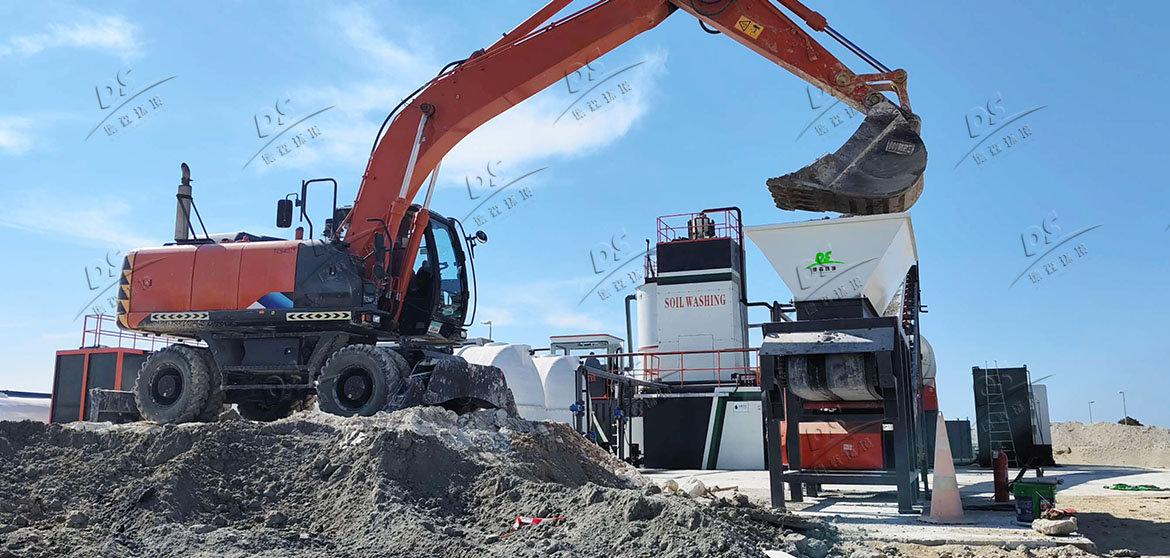
Desen's skid-mounted units feed excavated soil through a screening and scrubbing stage. Coarse material leaves the system as reusable backfill. The fine slurry moves to settling and dewatering, where water is recovered and recirculated. You can review the full equipment range on materialwashing.com.
- Pre-screening removes oversized debris and stones above 50 mm.
- Attrition scrubbing dislodges metals bound to clay coatings.
- Hydrocyclones split the slurry into clean coarse sand and contaminated fines.
- Settling tanks recover process water for reuse.
Real Project Data from Nanjing and Wenzhou
In 2024, Desen Environment treated a soil washing process site in Nanjing's Jiangning district where cadmium reached 18 mg/kg and lead hit 640 mg/kg, both above local risk thresholds. The mobile line processed 12,000 tonnes of soil in 26 working days. Post-wash samples showed lead reduced by 82% and cadmium by 76%, meeting the reuse standard for green space.
A separate job in Wenzhou used the same approach on a 6,500-tonne batch contaminated with zinc and copper. Throughput reached 28 tonnes per hour, and 71% of the feed mass qualified as clean backfill, cutting disposal volume sharply. These numbers come from field reports, not lab ideals.
Equipment Selection and Key Advantages
Choosing the right soil washing process setup depends on site size, contaminant type, and how fast cleanup must move. Desen Environment offers both fixed plants for large redevelopment zones and mobile trailers for scattered, short-duration jobs.
- Mobile units deploy in 3 days and need no civil foundation.
- Fixed plants handle 40 to 60 t/h for long-term projects.
- A closed water loop cuts fresh water use by up to 90%.
- PLC control keeps reagent dosing steady across shifts.
Where the Soil Washing Process Fits: Extended Scenarios
The method works best when contamination sits in the fine fraction. It suits former smelters, old industrial yards, tank farms, and mining tails. It also pairs well with solidification as a polishing step. For sites with volatile compounds, Desen adds vapour control so the soil washing process stays safe on busy urban plots.
Frequently Asked Questions
What contaminants can the soil washing process remove?
It targets heavy metals such as lead, cadmium, zinc, and copper, plus petroleum hydrocarbons (TPH). Organic clays and very high silt loads need a tailored reagent plan.
How long does a typical project take?
Mobile jobs of 5,000 to 15,000 tonnes usually run 3 to 5 weeks including setup. Fixed plants run continuously for months on large redevelopment land.
Is the treated soil safe to reuse?
Yes, when post-wash levels meet the local reuse standard, as the Nanjing case showed with an 82% lead reduction. Clean coarse fractions return as backfill.
Does the process use a lot of water?
No. A closed-loop system recirculates most process water, and Desen reports up to 90% fresh-water savings versus once-through washing.
Can the equipment move between sites?
Yes. Mobile soil washing process units are trailer-mounted and relocate in days, which suits scattered or time-limited remediation contracts.
Conclusion and Next Step
The soil washing process gives engineers a way to cut contaminant mass instead of merely capping it. Desen Environment (郑州德森环境) has proven the approach on real Chinese sites from Nanjing to Wenzhou, with measurable metal reductions and strong water reuse. If your site needs a defensible cleanup plan, visit materialwashing.com or contact the Desen team to review your soil data and recommend a line configuration.