
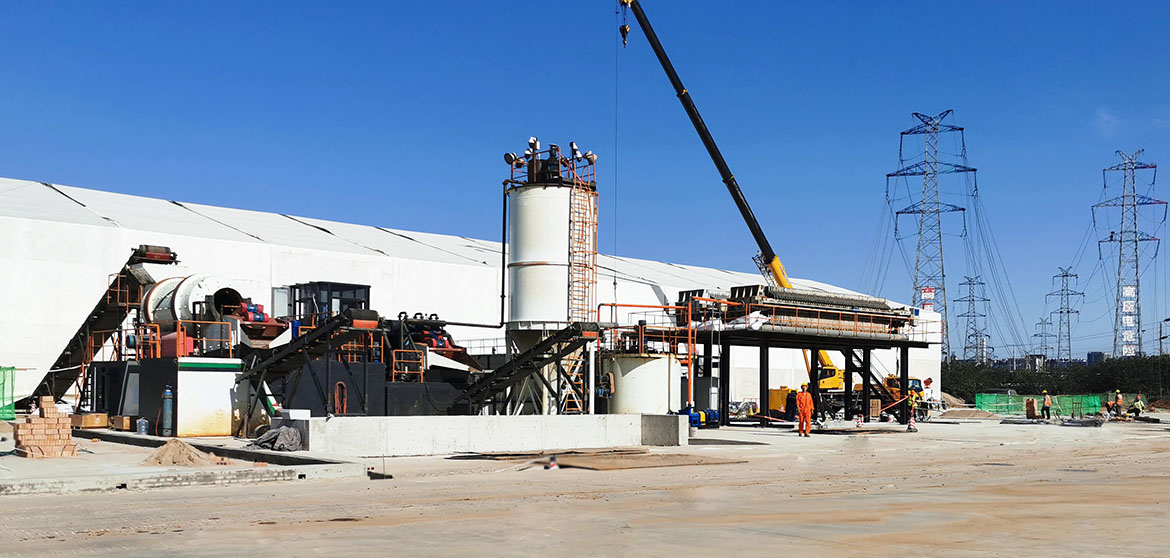
Soil Washing Mass Balance Reduction Ratio 80 Percent: Where the Excavated Volume Actually Goes
A soil washing mass balance with a reduction ratio of 80 percent turns one tonne of contaminated soil into roughly 200 kg of filter cake. See where the volume goes.
Read More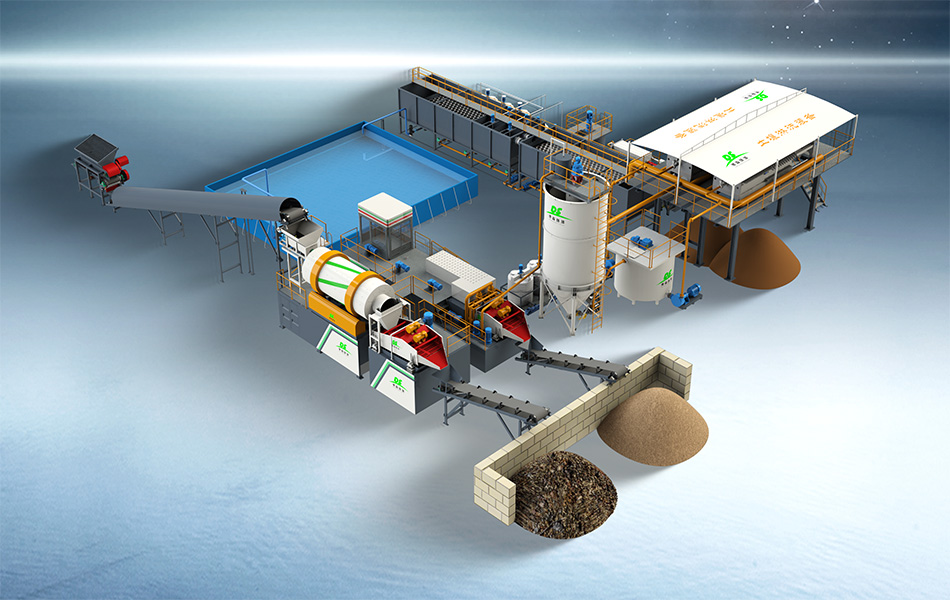
T/CMES 07003 Modular Soil Washing Standard: A Procurement Guide for International Buyers
T/CMES 07003-2022 is the first Chinese group standard for ex-situ modular soil washing equipment. See what it specifies and how Desen applies it to its modular and mobile plants.
Read More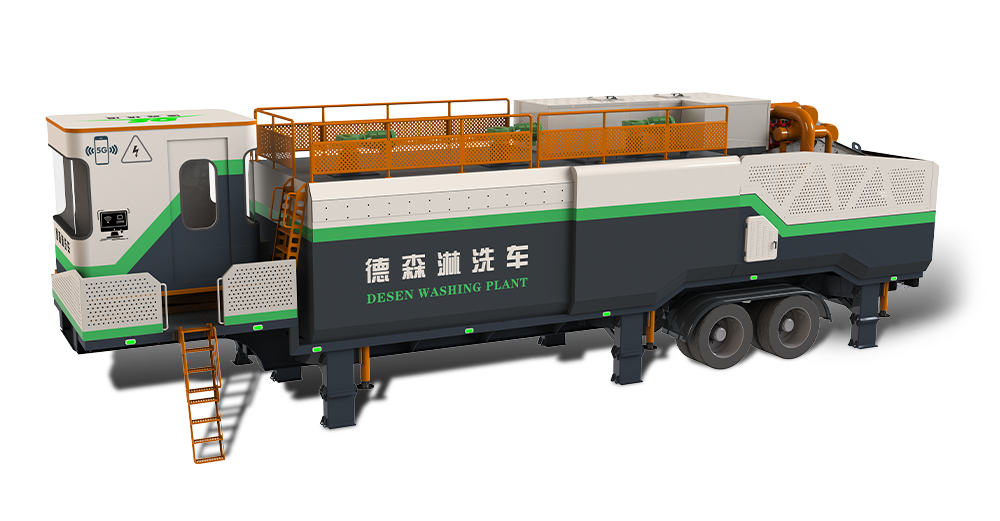
Petroleum Hydrocarbon Contaminated Soil Remediation: Technical Approaches and Field Practice
Petroleum hydrocarbon contaminated soil remediation: washing, thermal and bioremediation approaches with field practice from Desen Environment.
Read More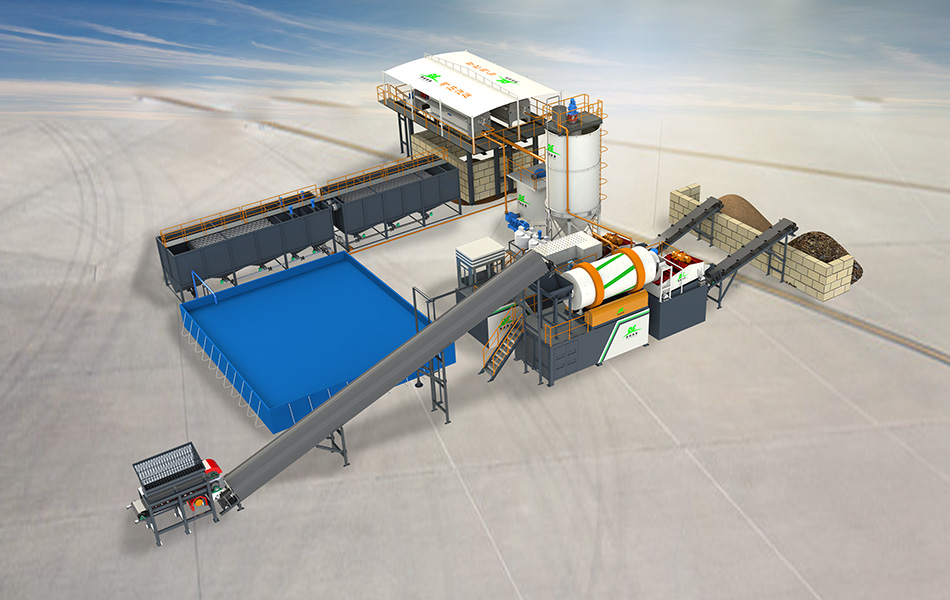
Skid-Mounted vs Fixed Soil Washing Equipment: Total Cost of Ownership Compared
Skid-mounted vs fixed soil washing equipment: compare capital cost, footprint, mobility and operating expense to pick the right plant.
Read More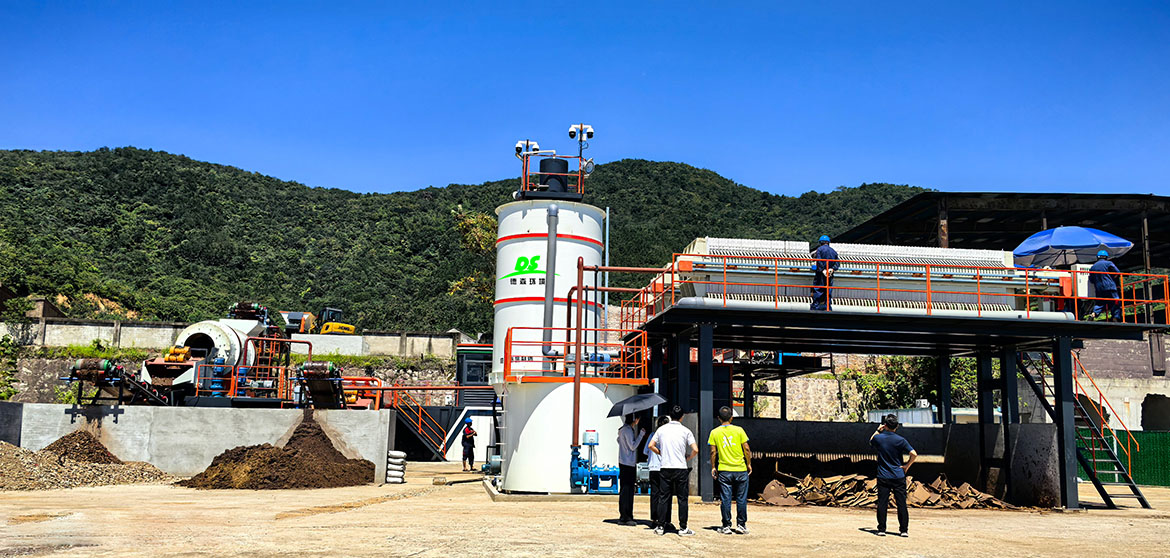
Modular Soil Washing: Move, Reuse, Save
Modular soil washing plants move between contaminated sites fast. Deployment, relocation value, field case and FAQs from Desen Environment.
Read More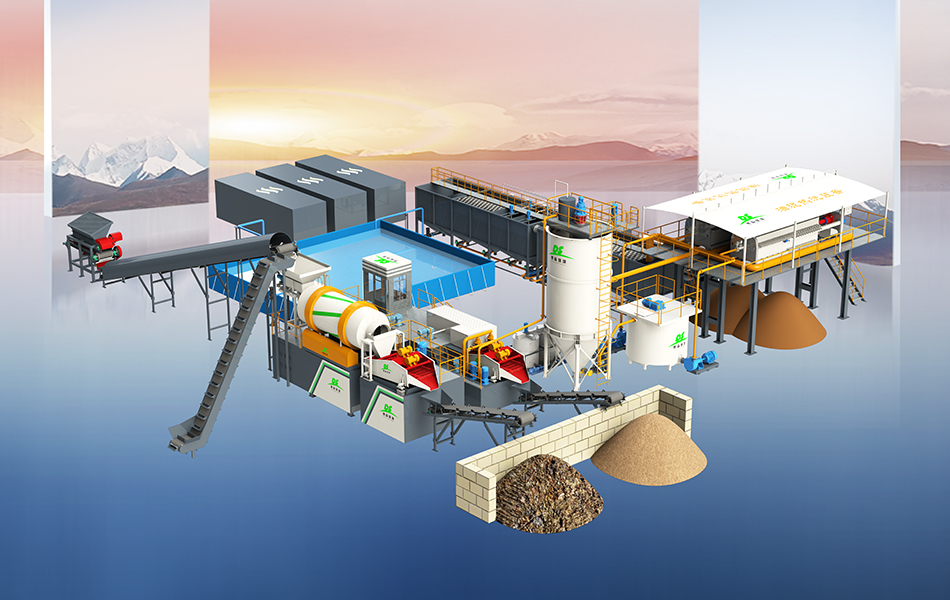
Oil-Contaminated Soil Thermal Washing: Technology and Equipment Selection
Thermal washing for oil-contaminated soil: process principles, equipment selection guidance and field results from Desen Environment.
Read More
Petroleum Hydrocarbon Soil Remediation
Petroleum hydrocarbon soil remediation with mobile washing plants: how the process works, its key advantages, real case data and practical FAQs.
Read More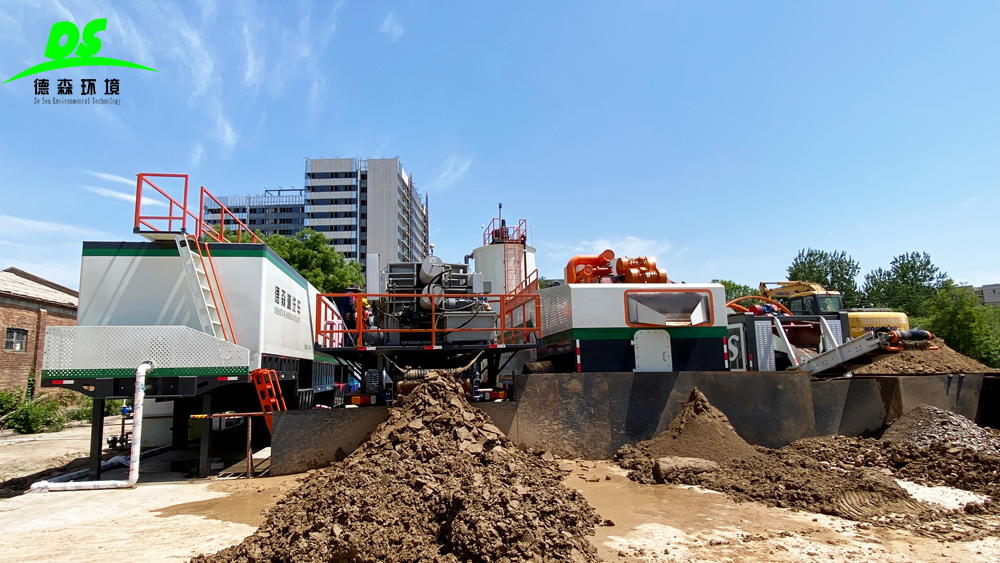
Skid-Mounted vs Fixed Soil Washing Equipment: A Practical Selection Guide
Compare skid-mounted vs fixed soil washing equipment: technical principles, advantages, project cases and selection guidance from Desen Environment.
Read More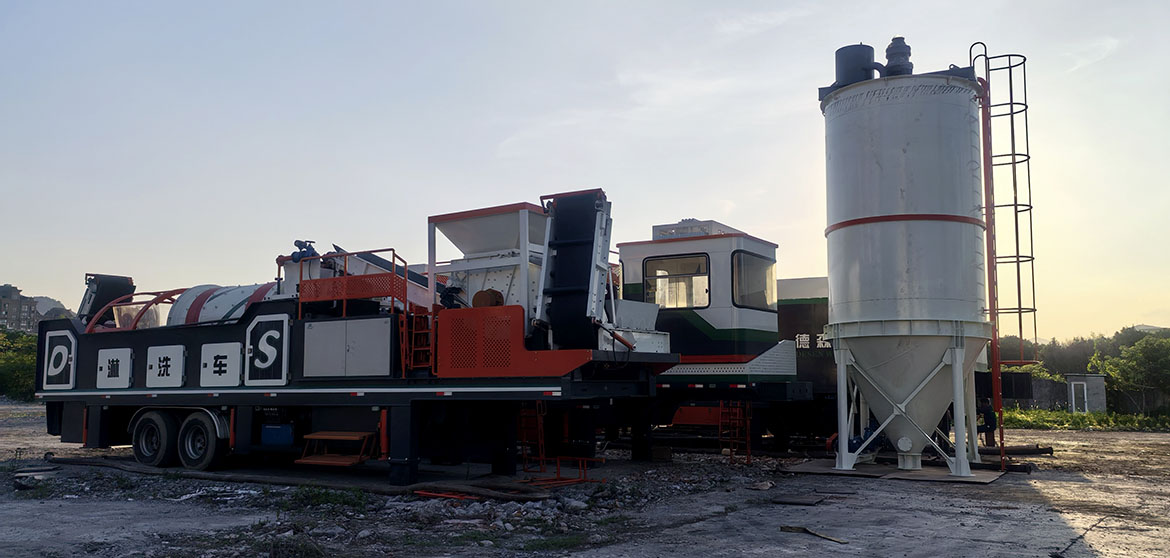
Hot Water Thermal Soil Washing for Oil-Contaminated Soil: Equipment Selection, Energy Costs and Field Results
Hot water thermal soil washing strips oil from contaminated soil efficiently. Process, equipment selection, energy costs and field results.
Read More-

- 1
- /
- 3
-

