
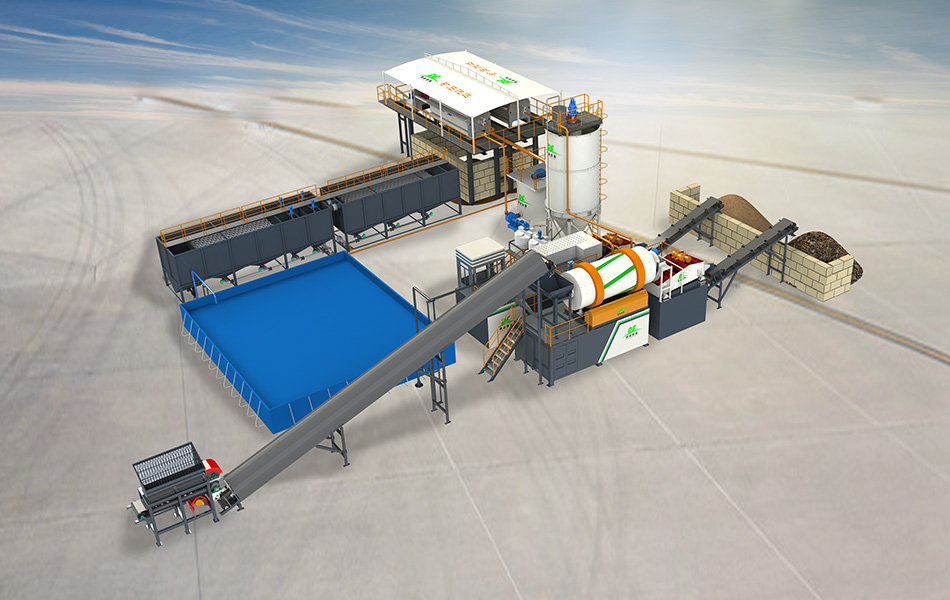
Oil-Contaminated Soil Thermal Washing: Technology and Equipment Selection Guide
Desen Environment's thermal washing technology effectively treats oil-contaminated soil. Learn about equipment selection, technical principles, and engineering practices for petroleum hydrocarbon remediation projects in China.
Read More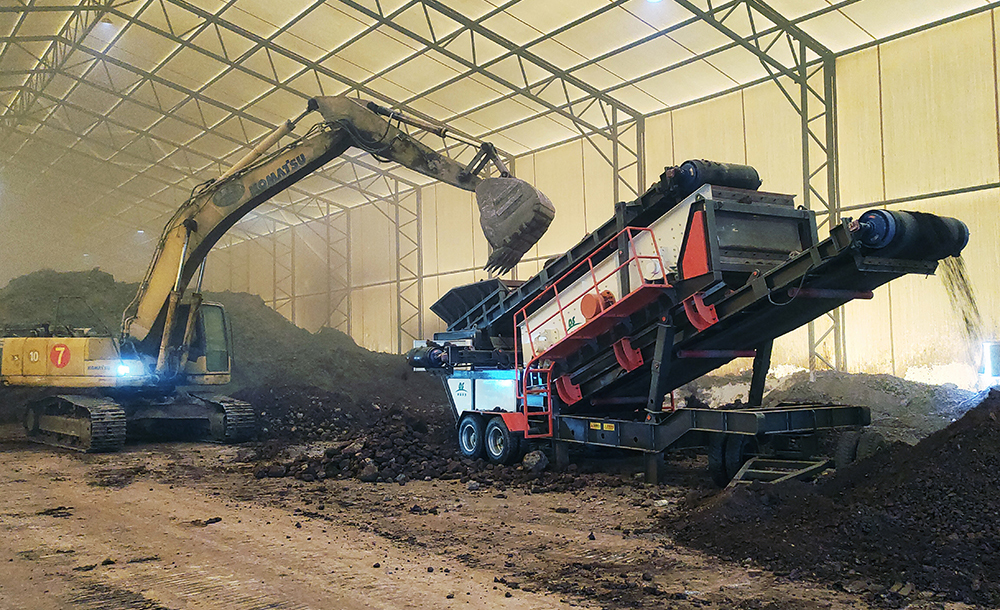
Oil Contaminated Soil Washing for Service Stations and Tank Farms: A Field-Tested Remediation Route
Former service stations, fuel depots and tank farms are some of the most common petroleum brownfields in urban redevelopment. Decades of tank leakage, pipe spills and surface handling leave soil contaminated with total petroleum hydrocarbons, benzene, toluene, ethylbenzene and xylene at concentrations that can block redevelopment for years.
Read More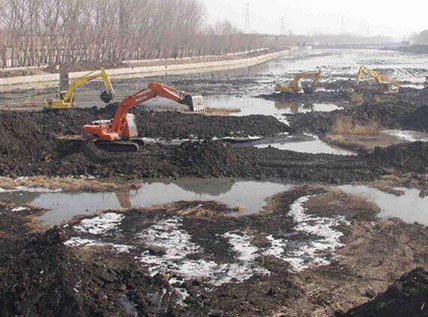
Shield Tunnel Slurry Treatment: How Modular Systems Reduce, Recycle and Dispose of Construction Muck
Modern urban construction generates enormous volumes of slurry. Shield tunnelling, pile driving and trench dredging all produce a water-rich mixture of fine soil, sand, aggregate and organic debris that is expensive to haul away and difficult to dispose of.
Read More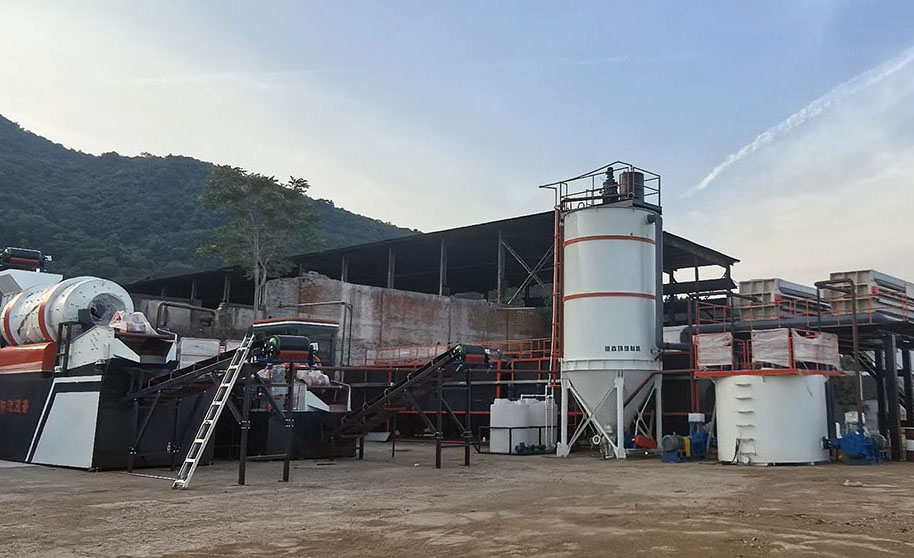
Steel Plant Brownfield Soil Remediation: A Soil Washing Approach for Reuse-Ready Land
Former steel plants and smelting sites are among the most valuable and most challenging brownfield opportunities in industrial cities. Decades of production leave soil contaminated with heavy metals such as lead and arsenic, often alongside other industrial pollutants. Redevelopment of these sites requires remediation that meets strict cleanup criteria
Read More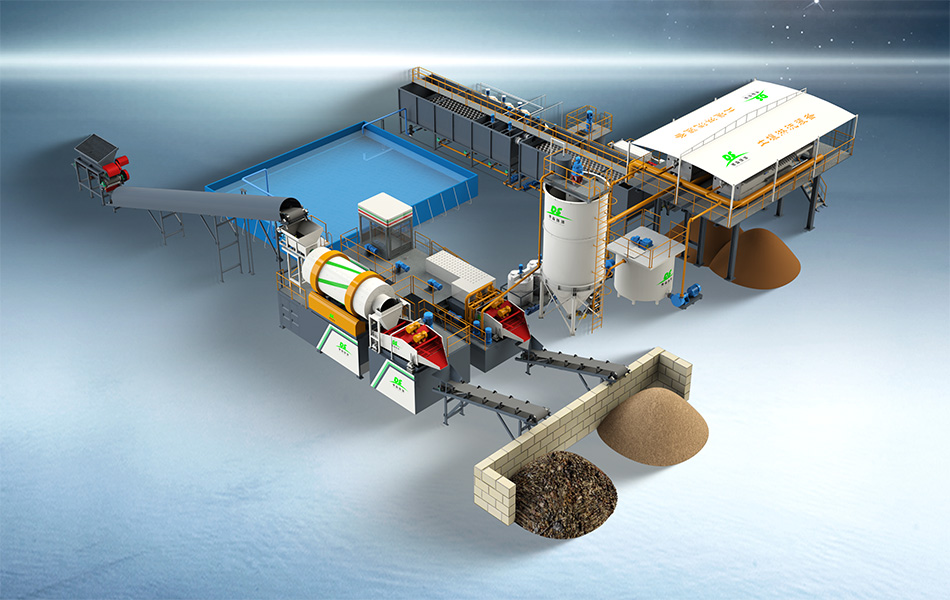
Arsenic Contaminated Soil Remediation: How Mobile Soil Washing Delivers Reliable Results
Arsenic contaminated soil is one of the most common heavy metal problems found at former smelting plants, pesticide factories, chemical sites and industrial brownfields. Because arsenic binds strongly to fine soil particles and can migrate with dust and groundwater, it demands a treatment method that is both thorough and controllable.
Read More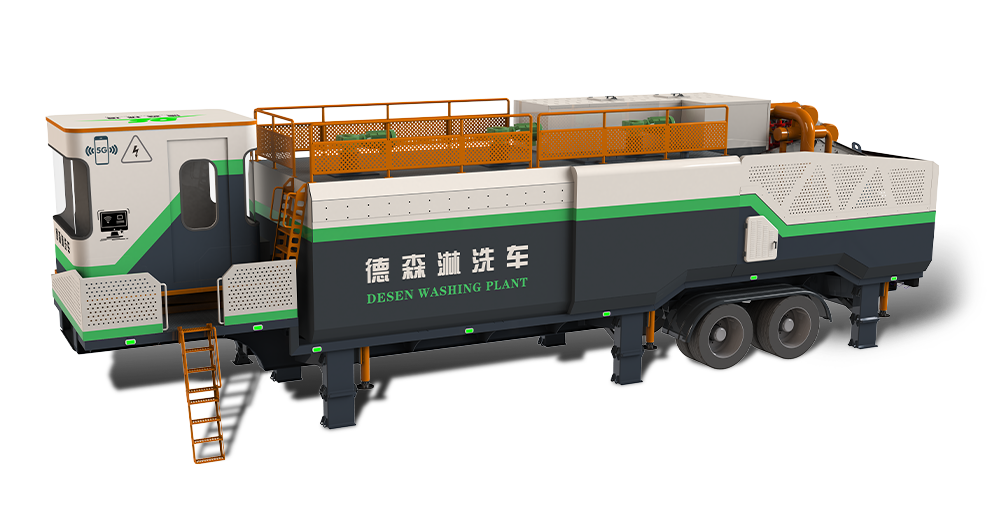
Mobile Soil Washing Equipment for Rapid Emergency Remediation
Oil spills, leaking storage tanks and sudden discoveries of contaminated soil demand fast responses. Fixed plants can take months to build, but mobile soil washing equipment can be delivered to site and started within days, making it a practical choice for emergency and short-window remediation projects.
Read More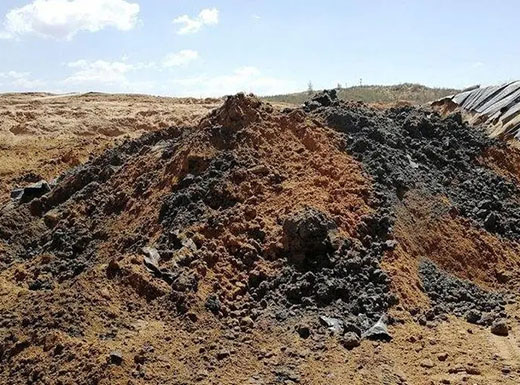
How Soil Washing Remediates PAH and BTEX Contaminated Soil
Polycyclic aromatic hydrocarbons (PAHs) and BTEX compounds (benzene, toluene, ethylbenzene and xylenes) are common organic contaminants found at oil fields, abandoned petrol stations, petrochemical plants and machinery workshops. PAHs such as benzo(a)pyrene are persistent and potentially harmful, while BTEX compounds are volatile and mobile in soil. Both groups can migrate through sandy soil and create long-term risks to groundwater and public health.
Read More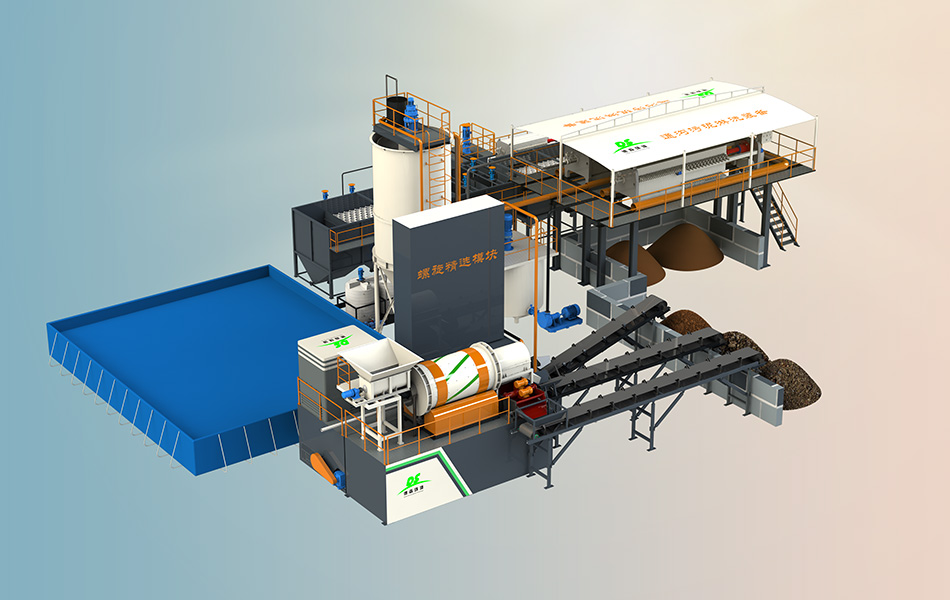
Mobile Soil Washing Equipment: Process Optimization for High-Temperature and High-Salinity Environments
Mobile soil washing equipment has become a critical solution for contaminated soil remediation across the Middle East, Africa, and other regions characterized by extreme weather conditions. However, traditional mobile washing systems face significant challenges when deployed in high-temperature (ambient temperatures exceeding 45°C) and high-salinity environments typical of desert and coastal zones.
Read More
Sludge and Fly Ash to Ceramsite: Lightweight Aggregate Production for Solid Waste Resource Recovery
Municipal sludge and fly ash are two of the most challenging solid waste streams for cities and industrial facilities. Both are produced in large volumes, contain heavy metals and organic residues, and are difficult to dispose of safely. At the same time, the construction industry needs sustainable sources of lightweight aggregate for concrete, insulation and drainage applications.
Read More-

- 9
- /
- 98
-