
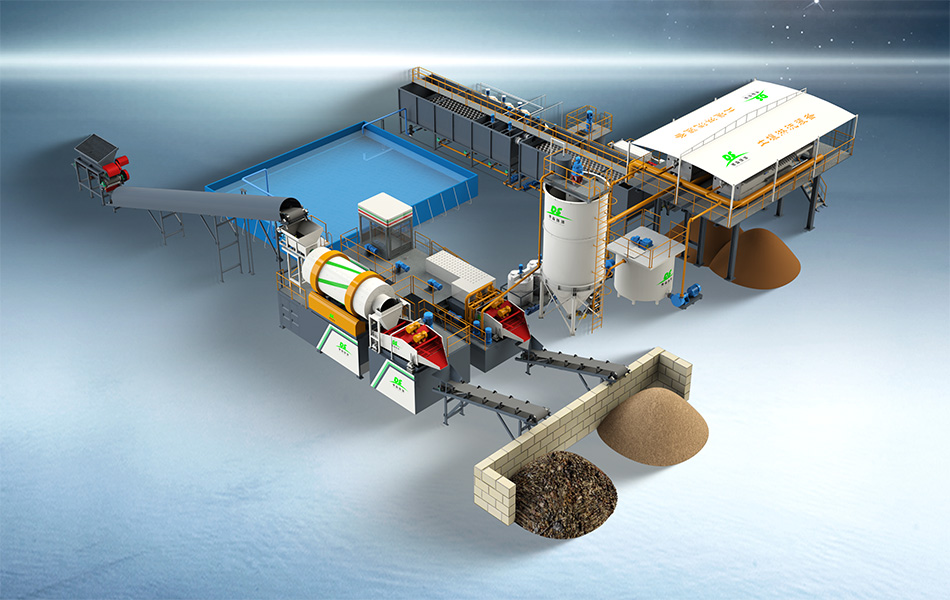
Arsenic Contaminated Soil Remediation: How Mobile Soil Washing Delivers Reliable Results
Arsenic contaminated soil is one of the most common heavy metal problems found at former smelting plants, pesticide factories, chemical sites and industrial brownfields. Because arsenic binds strongly to fine soil particles and can migrate with dust and groundwater, it demands a treatment method that is both thorough and controllable.
Read More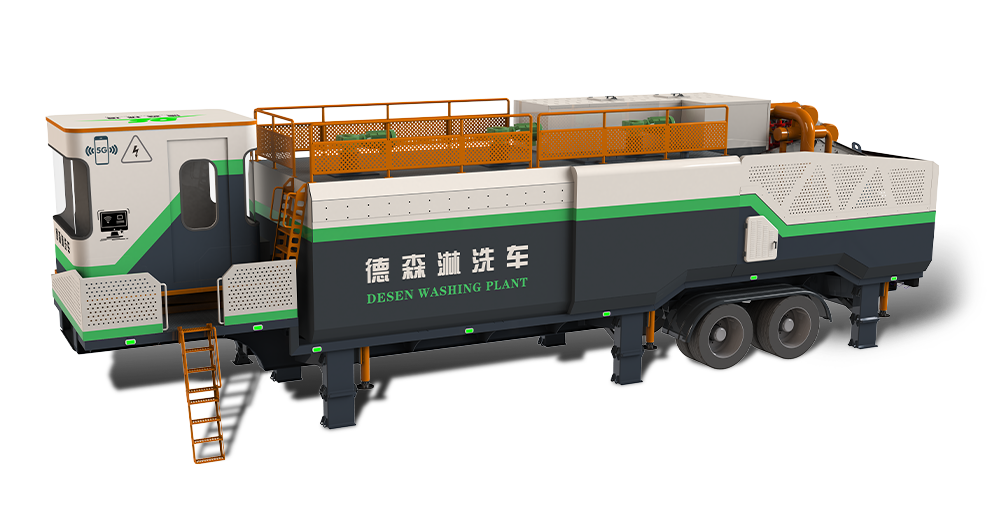
Mobile Soil Washing Equipment for Rapid Emergency Remediation
Oil spills, leaking storage tanks and sudden discoveries of contaminated soil demand fast responses. Fixed plants can take months to build, but mobile soil washing equipment can be delivered to site and started within days, making it a practical choice for emergency and short-window remediation projects.
Read More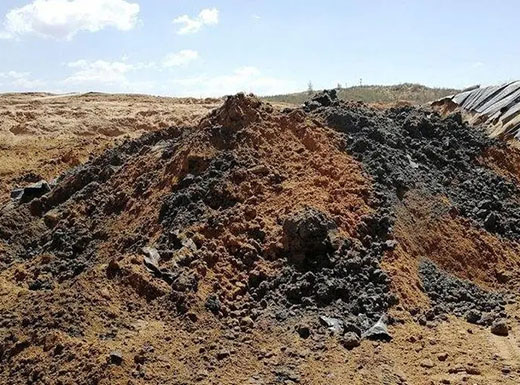
How Soil Washing Remediates PAH and BTEX Contaminated Soil
Polycyclic aromatic hydrocarbons (PAHs) and BTEX compounds (benzene, toluene, ethylbenzene and xylenes) are common organic contaminants found at oil fields, abandoned petrol stations, petrochemical plants and machinery workshops. PAHs such as benzo(a)pyrene are persistent and potentially harmful, while BTEX compounds are volatile and mobile in soil. Both groups can migrate through sandy soil and create long-term risks to groundwater and public health.
Read More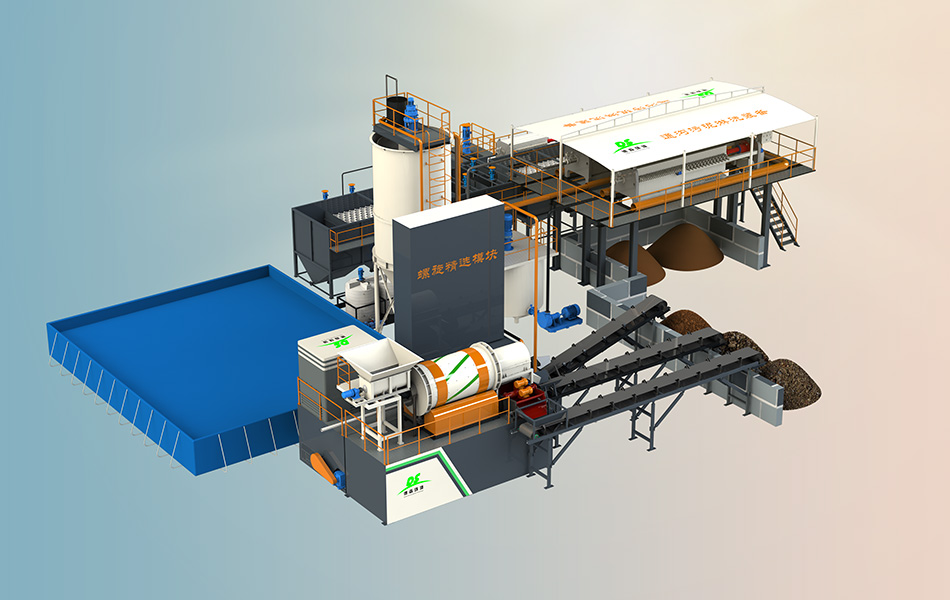
Mobile Soil Washing Equipment: Process Optimization for High-Temperature and High-Salinity Environments
Mobile soil washing equipment has become a critical solution for contaminated soil remediation across the Middle East, Africa, and other regions characterized by extreme weather conditions. However, traditional mobile washing systems face significant challenges when deployed in high-temperature (ambient temperatures exceeding 45°C) and high-salinity environments typical of desert and coastal zones.
Read More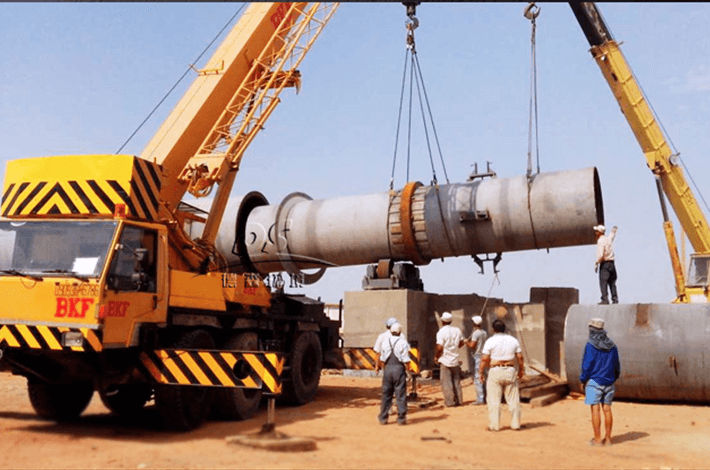
Sludge and Fly Ash to Ceramsite: Lightweight Aggregate Production for Solid Waste Resource Recovery
Municipal sludge and fly ash are two of the most challenging solid waste streams for cities and industrial facilities. Both are produced in large volumes, contain heavy metals and organic residues, and are difficult to dispose of safely. At the same time, the construction industry needs sustainable sources of lightweight aggregate for concrete, insulation and drainage applications.
Read More
Organic Kitchen Waste Treatment: High-Efficiency Biodegradation Equipment for Sustainable Waste Management
Food waste is one of the fastest growing waste streams in cities and towns across the world. Restaurants, canteens, residential communities and food processing facilities generate large volumes of organic kitchen waste every day, and traditional disposal methods such as landfill and incineration are becoming increasingly difficult to sustain.
Read More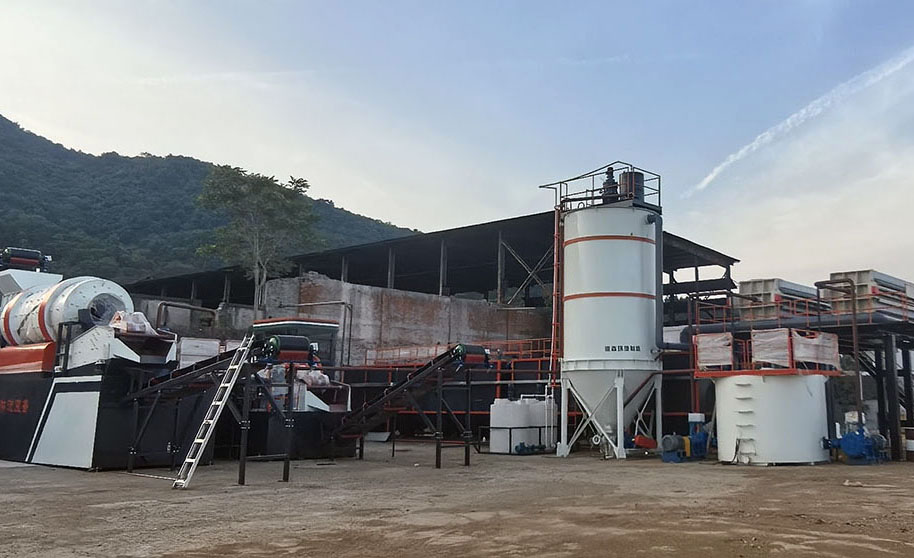
River and Lake Dredging Sludge Treatment Equipment: Dewatering and Resource Recovery
Rivers and lakes accumulate sediment loaded with pollutants, organic matter and fine particles that must be removed to restore water quality, navigation depth and flood capacity. Once dredged, this sl
Read More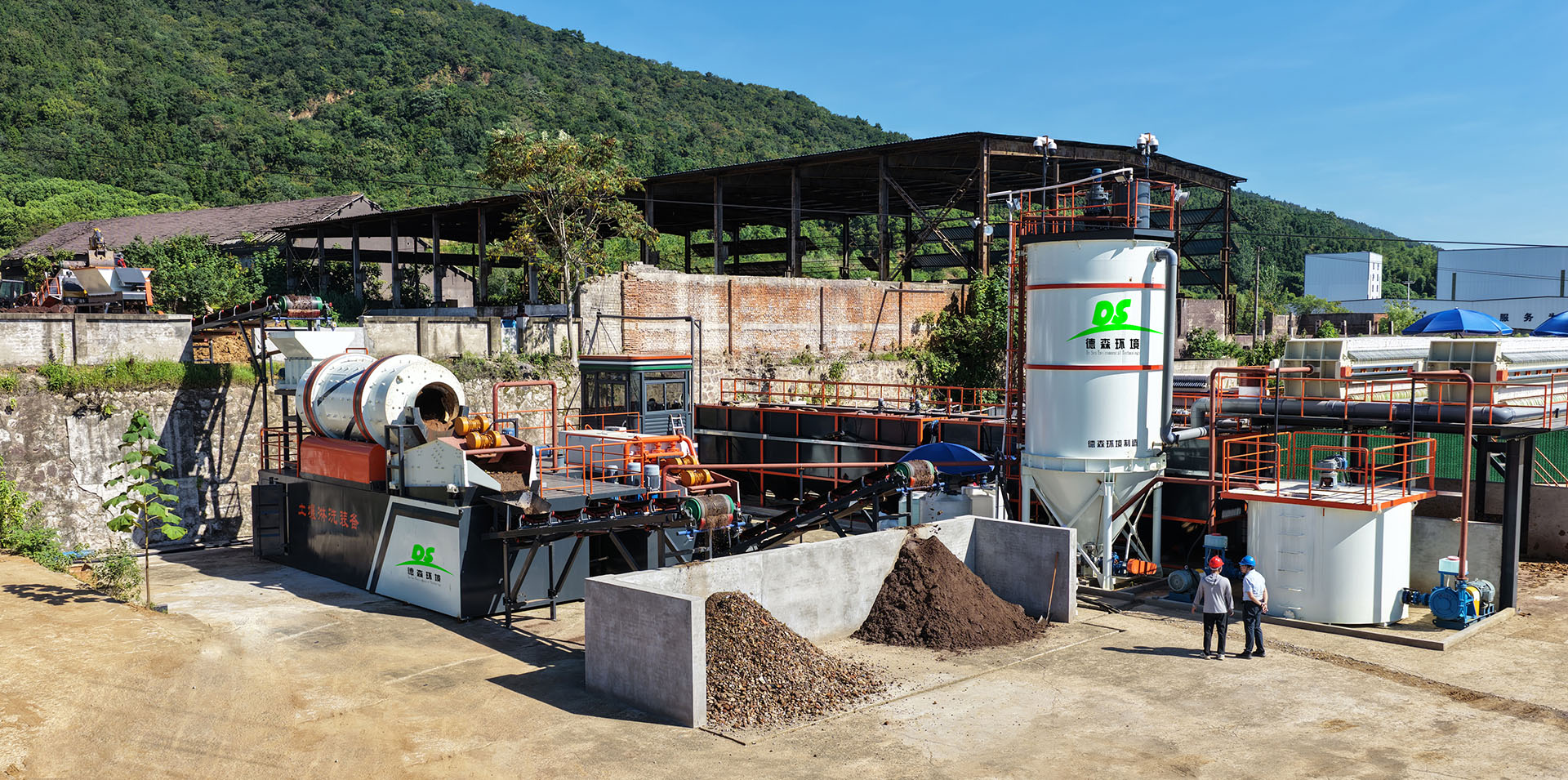
Sludge and Fly Ash to Lightweight Aggregate Production: Turning Waste into Ceramsite
Municipal sludge and fly ash are among the most difficult industrial residues to manage, yet they contain the very minerals needed to build high-performance lightweight aggregate. By converting these
Read More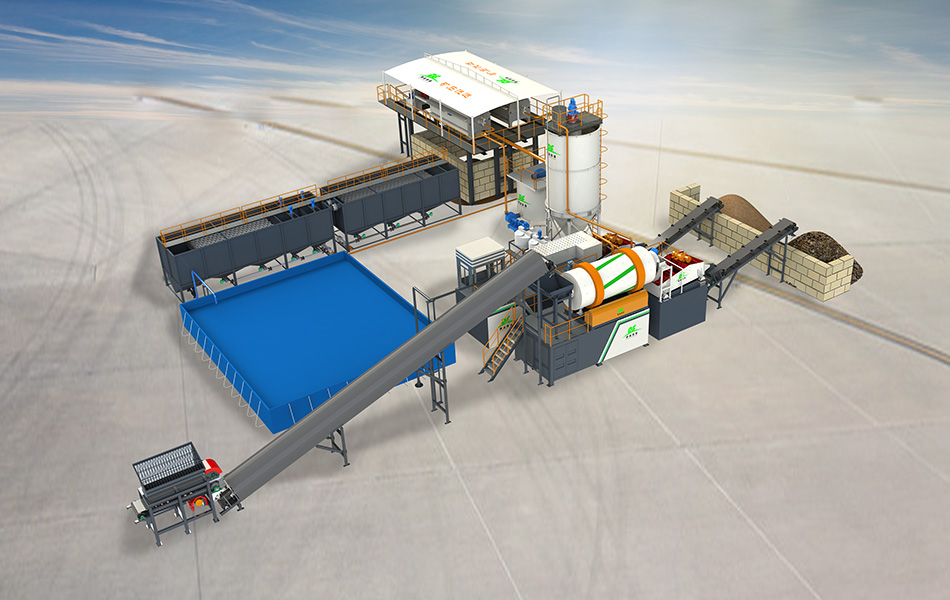
Heavy Metal Contaminated Soil Washing Remediation: Case Analysis and Technology Guide - Desen Environment
Explore heavy metal soil washing technology, case studies, equipment selection, and environmental benefits. Desen Environment's mobile soil remediation solutions from Zhengzhou offer fast, efficient pollution cleanup at materialwashing.com.
Read More-

- 9
- /
- 97
-